
Book a Service Today
How to Choose the Best Grease Trap Installer in Denver
![[HERO] How to Choose the Best Grease Trap Installer in Denver](https://cdn.marblism.com/yYqRQjYZo7d.webp)
For restaurant owners and commercial kitchen managers in the Mile High City, the grease trap is more than just a piece of plumbing hardware. It is a critical component of your business infrastructure that ensures environmental compliance, protects the local sewer system, and prevents catastrophic backups that could force a temporary closure.
Choosing the right installer for your grease interceptor or grease trap is a decision that impacts your bottom line and your peace of mind. In Denver, the regulatory environment is strict, and the technical requirements for proper installation are high. This guide will walk you through the essential criteria for selecting a partner who can manage your Denver sewer services with precision and integrity.
The Importance of Local Regulatory Expertise
Denver’s Department of Transportation & Infrastructure (DOTI) and the Department of Public Health & Environment (DPHE) have specific, non-negotiable standards for grease management. A generic plumbing contractor might understand the basic mechanics of a pipe, but a specialized grease trap installer understands the Denver Plumbing Code.
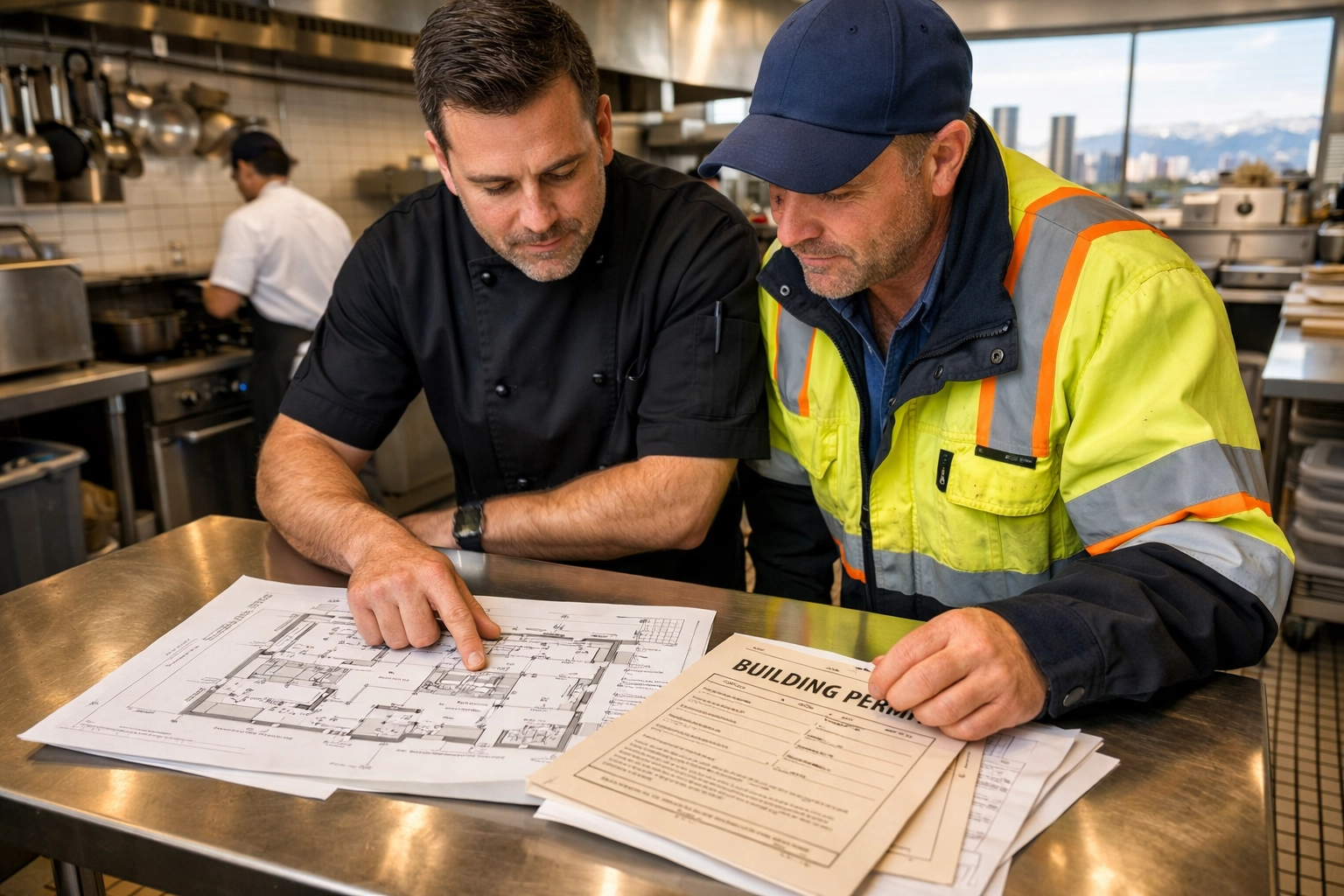
When vetting an installer, you must ensure they are familiar with the city's permit review process. This involves submitting detailed plumbing plans and site plans that indicate exactly where the interceptor will be located. An installer who lacks experience in the local Denver market may overlook these administrative requirements, leading to delayed inspections or, worse, expensive fines.
Key Regulatory Requirements to Discuss with Your Installer:
- Permit Submission: Does the installer handle the paperwork with the city?
- Compliance Knowledge: Are they up to date on the latest DPHE mandates for FOG (Fats, Oils, and Grease) disposal?
- Site Planning: Can they effectively map out the interceptor location to meet both accessibility and safety standards?
Technical Credentials and Licensing
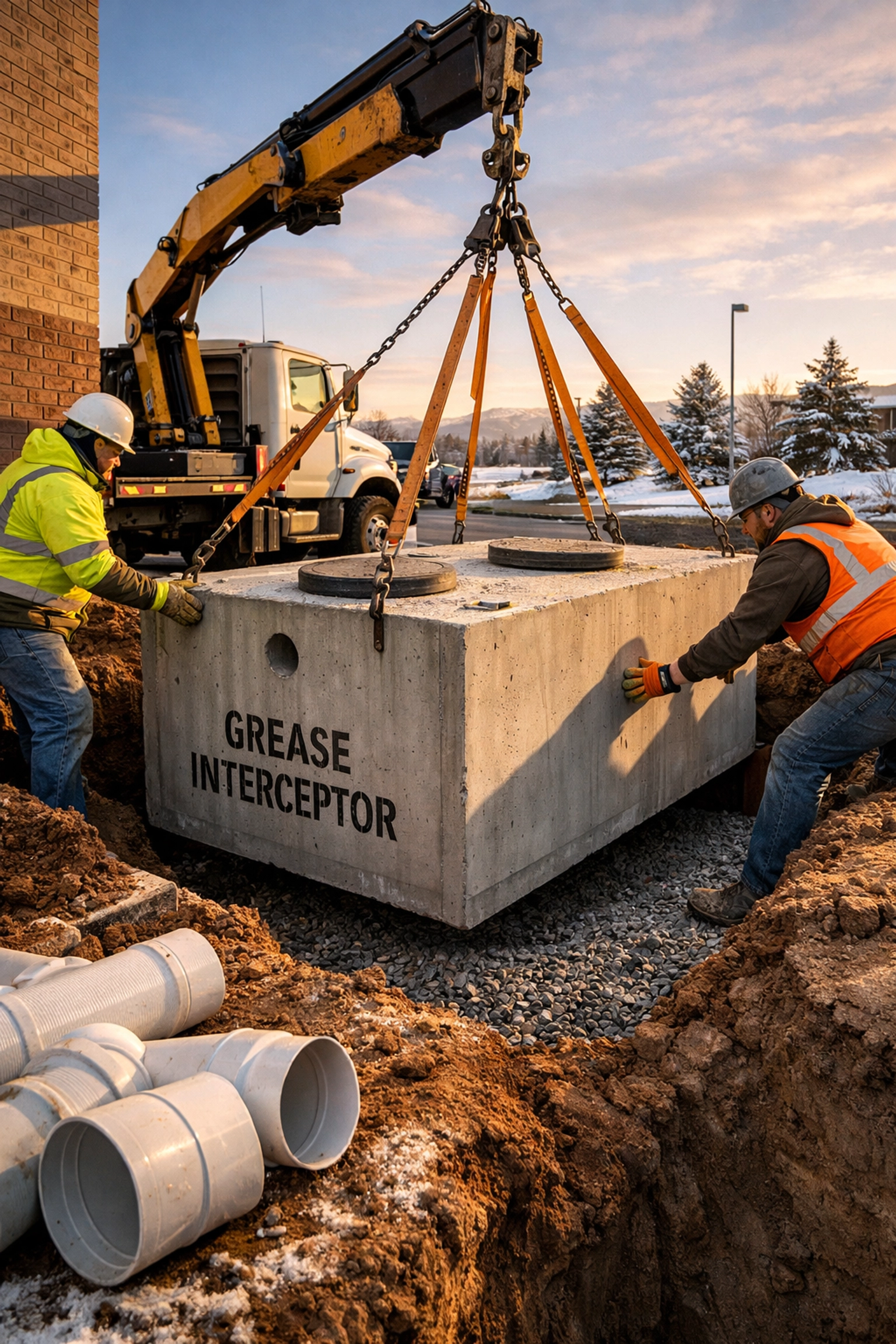
A grease trap installation is a complex mechanical project. It involves deep excavation, precision plumbing, and often structural considerations. You should never hire an unlicensed or uncertified contractor for this level of work. At Denver Sewer Pros, we emphasize that expertise is non-negotiable.
What to Look for in a Team:
- Plumbing License: Ensure the lead technician holds a valid Colorado state plumbing license.
- Specialized Experience: Ask how many commercial grease traps they have installed in the last year. Commercial systems are vastly different from residential septic or sewer lines.
- Insurance Coverage: General liability and workers’ compensation insurance are essential to protect your business during the excavation and installation phases.
If an installer cannot provide proof of these credentials immediately, it is a significant red flag. The risks of improper installation include sewer line blockages, structural damage to your property, and environmental contamination that could lead to legal action.
Precision Sizing: More Than Just a Guess
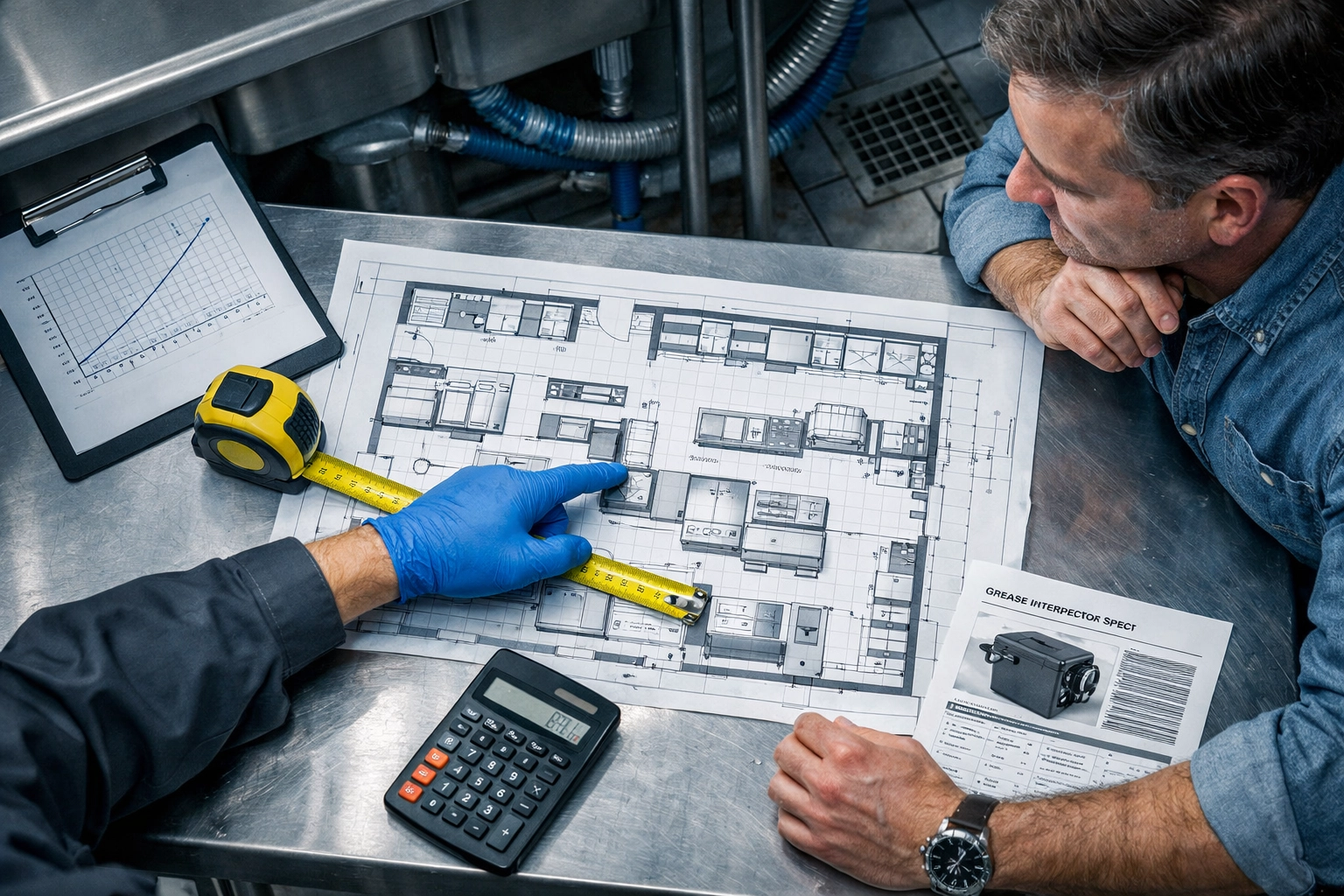
One of the most common mistakes in grease trap installation is incorrect sizing. A trap that is too small will fail to capture grease effectively, leading to downstream clogs. A trap that is unnecessarily large represents a wasted capital investment and higher maintenance costs.
A professional installer will use a specific formula to determine the correct size for your facility. This calculation typically considers:
- Turnover Rate: How many customers do you serve during peak hours?
- Categorical Use Factor: What type of food are you preparing? (e.g., a burger joint produces more grease than a coffee shop).
- Seating Capacity: The physical size of your dining area.
- Water Usage: The flow rate of your dishwashers and sinks.
Your installer should provide a written justification for the recommended size based on these factors. This level of transparency ensures you are getting exactly what your business needs, no more, no less.
Material Selection and Durability
In the Denver climate, material durability is a major factor. Installers generally choose between concrete, fiberglass, or specialized plastics for grease interceptors. Each has its pros and cons regarding longevity, resistance to acidic grease breakdown, and ease of installation.
Concrete Interceptors: Often preferred for large-scale outdoor installations due to their structural integrity and adherence to long-standing local codes. Fiberglass/Plastic: These are increasingly popular for their resistance to corrosion and lighter weight, which can simplify the installation process in tight urban spaces.
A qualified professional from Denver Sewer Pros will explain why a specific material is right for your specific location, whether you are operating in Lakewood or Arvada.
The Value of Transparent Pricing
In the commercial plumbing industry, "hidden fees" are a frequent complaint. When choosing an installer, look for a company that offers transparent, upfront pricing. A comprehensive quote should include:
- Excavation and site preparation costs.
- The price of the unit itself.
- All necessary piping and venting materials.
- Permit fees and inspection coordination.
- Labor costs.
Be wary of quotes that seem significantly lower than the competition. Often, these "budget" installers cut corners on material quality or fail to include the cost of final site restoration. At Denver Sewer Pros, we believe in providing a clear roadmap of costs so there are no surprises when the job is done.
Long-Term Maintenance and Support
Installation is only the beginning of the relationship. A grease trap requires regular cleaning and maintenance to remain effective. When selecting an installer, ask if they provide ongoing services like high-pressure hydro-jet cleaning.
Why Maintenance Matters: Over time, grease and food solids build up in the trap. If not pumped out according to a strict schedule, these materials will bypass the trap and enter the main sewer line. This leads to hardened "fatbergs" that can cause a total sewage backup into your kitchen.
Choosing an installer who also offers maintenance means they already know your system’s layout and specific needs. We serve a wide range of areas including Aurora, Westminster, and Wheat Ridge, providing consistent support long after the initial installation is complete.
Case Study: Commercial Kitchen Efficiency
Highlights: A high-volume restaurant in downtown Denver was facing repeated drainage issues due to an undersized, 20-year-old grease trap. Results: Our team performed a comprehensive site evaluation, recalculated the required flow rate, and installed a modern, high-capacity interceptor with minimal disruption to their business hours. The restaurant now passes all city inspections with flying colors and has seen a 40% reduction in emergency plumbing calls.
Frequently Asked Questions
How often should a commercial grease trap be cleaned?
Most Denver businesses are required to follow the "25% Rule," meaning the trap must be pumped out once the solids and grease reach 25% of the unit’s capacity. For most high-volume kitchens, this is every 30 to 90 days.
Can I install a grease trap myself?
No. Commercial grease trap installation requires professional licensing, specialized equipment for excavation, and adherence to strict city plumbing codes. DIY installation will likely fail inspection and could result in significant fines or property damage.
What happens if my grease trap fails a city inspection?
If the DPHE or DOTI finds your system is non-compliant, you may be issued a "Notice of Violation." You will typically have a set number of days to rectify the issue before facing daily fines or a potential business license suspension.
Do you offer services outside of Denver?
Yes, we provide expert sewer and grease trap services across the metro area, including Golden, Longmont, and Greenwood Village.
Secure Your Business with Expert Installation
Don't leave your commercial kitchen's compliance to chance. A poorly installed grease trap is a ticking time bomb for your operations. By choosing an installer with deep local knowledge, transparent pricing, and a proven track record, you are investing in the long-term health of your business.
At Denver Sewer Pros, we pride ourselves on being the trusted advisors for Denver's vibrant food and beverage industry. Whether you need a brand-new installation for a startup or a replacement for an aging system, our expert team is ready to deliver.
Contact Denver Sewer Pros today for an expert evaluation and peace of mind. Visit our service areas page to schedule your consultation and ensure your grease management system is built to last.
Nathan Fairchild
CEO, Denver Sewer Experts
Website:
denversewerpros.com
Email: admin@denversewerpros.com
Phone: (720) 364-4891