
Book a Service Today
7 Mistakes You’re Making with Sewer Inspections (and How to Fix Them)
![[HERO] 7 Mistakes You’re Making with Sewer Inspections (and How to Fix Them)](https://cdn.marblism.com/9j4C-DlOMCm.webp)
For many Denver homeowners, the sewer line is a classic case of "out of sight, out of mind." You don't think about it until the sinks stop draining or, worse, raw sewage begins backing up into your basement. At Denver Sewer Pros, we’ve seen thousands of sewer lines across the Front Range, and we’ve noticed a recurring pattern: most major sewer catastrophes could have been avoided with a proper, professional inspection.
A sewer inspection isn't just about sticking a camera down a pipe; it’s about diagnostic precision. However, many homeowners fall into common traps that lead to wasted money and unresolved plumbing issues. Whether you are buying a new home in Arvada or maintaining a century-old property in Wash Park, avoiding these seven mistakes will save you thousands of dollars and years of headaches.
1. Skipping Routine Inspections Entirely
The single biggest mistake you can make is waiting for a symptom to appear before calling a professional. Unlike a leaky faucet, a sewer line problem can brew for years underground without showing any external signs.
The Pitfall: Homeowners often assume that if the toilets flush, the line is fine. In reality, tree roots could be slowly infiltrating joints, or the heavy "bentonite" clay soil common in the Denver area could be causing the pipe to "belly" or sag. By the time the line actually clogs, the pipe may already be structurally compromised.
The Fix: Establish a preventative maintenance schedule. For older homes with clay or cast-iron pipes, a residential sewer inspection should be performed every 18 to 24 months. Think of it as a physical exam for your home’s most critical infrastructure.
2. Hiring Unlicensed or "Budget" Contractors
In a city as fast-growing as Denver, plenty of handymen and unlicensed contractors offer "cheap" sewer scopes. While the price tag might be attractive, the risk is astronomical.
The Pitfall: Unlicensed individuals often lack the specialized training to identify the difference between a minor debris buildup and a structural crack. Furthermore, if an unlicensed contractor damages your cleanout or gets a camera stuck in the line, you have zero recourse. They likely don't carry the proper liability insurance or professional bonding required to protect your property.
The Fix: Only hire specialized Denver sewer services that are fully licensed, bonded, and insured. Professional companies invest in high-end equipment and ongoing training for their technicians, ensuring that the diagnosis you receive is accurate and legally standing for real estate transactions.
3. Relying on Low-Resolution, Outdated Camera Tech
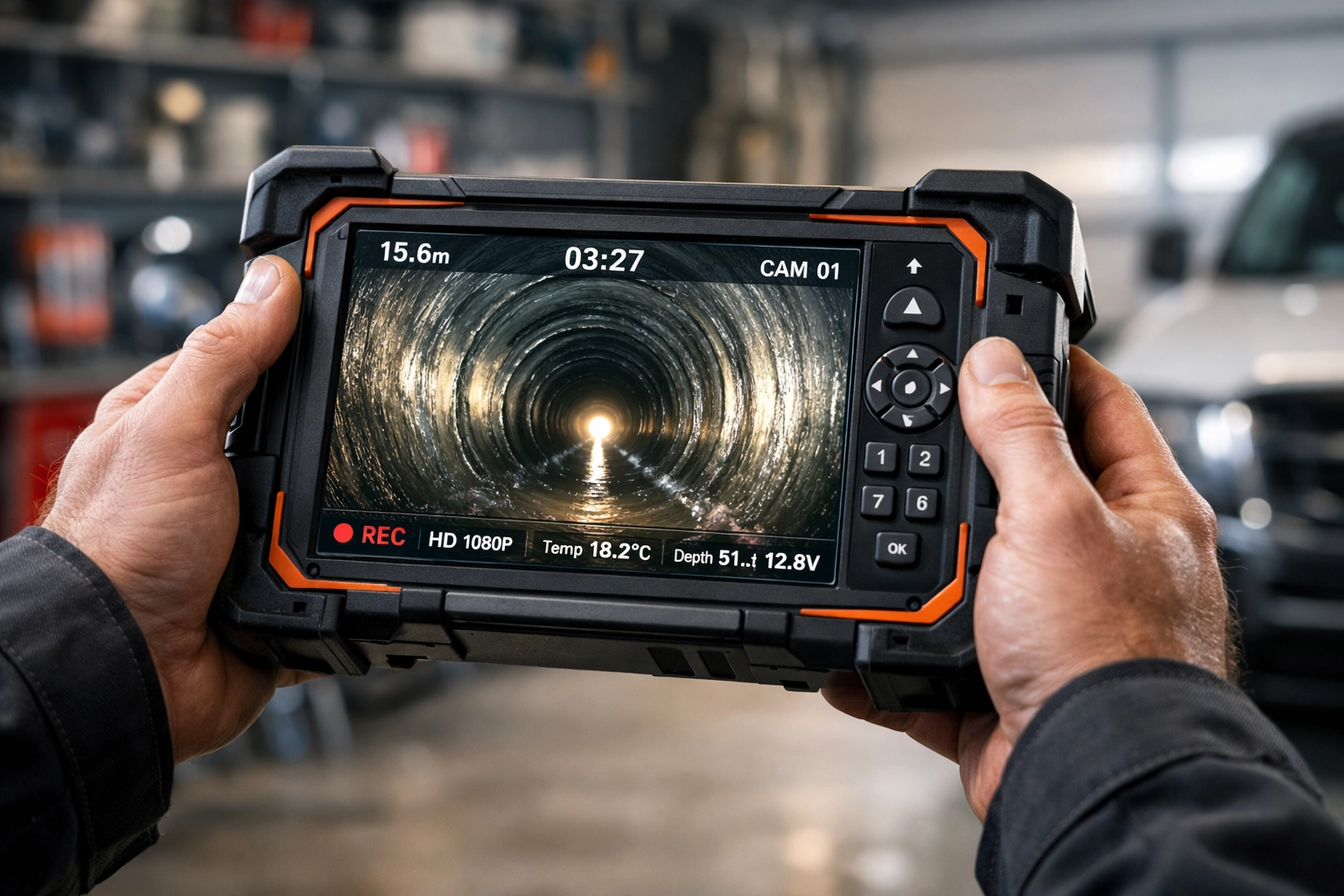
Not all sewer cameras are created equal. If your inspector is using equipment from a decade ago, they are likely missing the "fine print" of your pipe's condition.
The Pitfall: Standard-definition cameras or old black-and-white scopes produce grainy images. These "low-fi" visuals can easily hide hairline cracks, small offsets, or the very beginning of root intrusion. If you can’t see the details, you aren't getting a real inspection, you’re just getting a tour of a dark tunnel.
The Fix: Demand HD Video Camera Diagnostics. At Denver Sewer Pros, we utilize high-definition, self-leveling cameras with powerful LED lighting. This technology allows us to see the exact texture of the pipe wall and identify structural weaknesses long before they become catastrophic failures.
4. Inspecting Only "Easy-Access" Sections
A common shortcut among subpar inspectors is only scoping the main line and ignoring the complex junctions or lateral connections.
The Pitfall: Many sewer issues occur at the "tap"(where your line meets the city main) or at lateral connections where secondary lines (like a basement laundry line) join the main stack. If an inspector only pushes the camera 20 feet and stops because they hit a minor turn, you’re only getting 20% of the story.
The Fix: Ensure a full-system evaluation. The inspection should run from the house cleanout all the way to the city's main connection, often located in the street or alley. If you are in areas like Lakewood or Westminster, local regulations may have specific requirements for tap inspections that must be met.
5. Failing to Get a Documented, Time-Stamped Report
If you don't have a recorded copy of your inspection, you don't really have an inspection.
The Pitfall: Some contractors will show you the screen while they are on-site but won't provide a digital copy or a written report. This leaves you with no evidence to show a potential home buyer, no documentation for an insurance claim, and no "baseline" to compare against future inspections.
The Fix: Always insist on a digital copy of the HD footage and a detailed written report. This report should include:
- Footage markers: Exactly how many feet from the cleanout each issue is located.
- Severity ratings: Differentiating between a "watch item" and an "immediate repair."
- Material identification: Confirming if your pipes are PVC, clay, Orangeburg, or cast iron.
6. Misinterpreting "Root Intrusion" as a Minor Issue
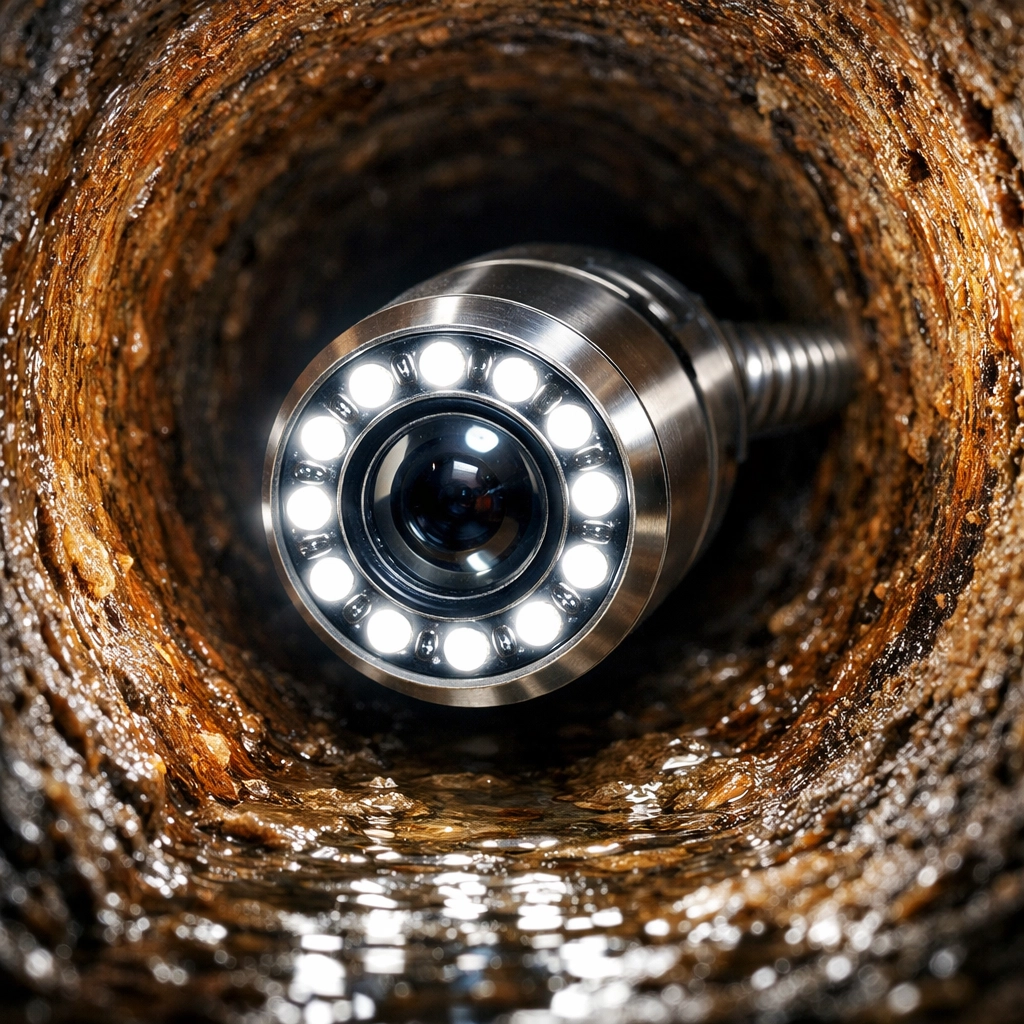
When a homeowner sees a few small roots on a camera screen, they often think, "Oh, I'll just pour some chemicals down the drain." This is a dangerous misunderstanding of biology and engineering.
The Pitfall: Tree roots are incredibly strong. Once a microscopic root hair finds a gap in a pipe joint, it will expand, eventually cracking the pipe or causing a total blockage. Chemical foaming agents are temporary Band-Aids; they do not fix the structural opening that allowed the roots in.
The Fix: If roots are found, you need mechanical or hydraulic removal. High-pressure hydro-jetting is the industry standard for clearing these obstructions without damaging the pipe. You can learn more about how we clear stubborn blockages on our hydro-jetting service page. After cleaning, a follow-up inspection is required to determine if the pipe needs a trenchless liner to seal the intrusion point permanently.
7. Delaying Action Once a Defect is Identified
The "I'll deal with it next year" approach is the most expensive mistake of all.
The Pitfall: Sewer problems are progressive. A small "belly" (a sag in the pipe) will eventually collect enough sludge to cause a full backup. A small crack will eventually lead to a collapse. In the Denver metro area, seasonal temperature swings cause the ground to expand and contract, which can turn a minor defect into a broken pipe overnight.
The Fix: Act within 48 hours of a failed inspection. Whether it requires a simple cleaning or a more advanced pipe bursting repair, addressing the issue while it is still manageable will prevent the need for emergency excavation, which can cost three to four times more than a planned repair.
Why Denver Homeowners Trust Denver Sewer Pros
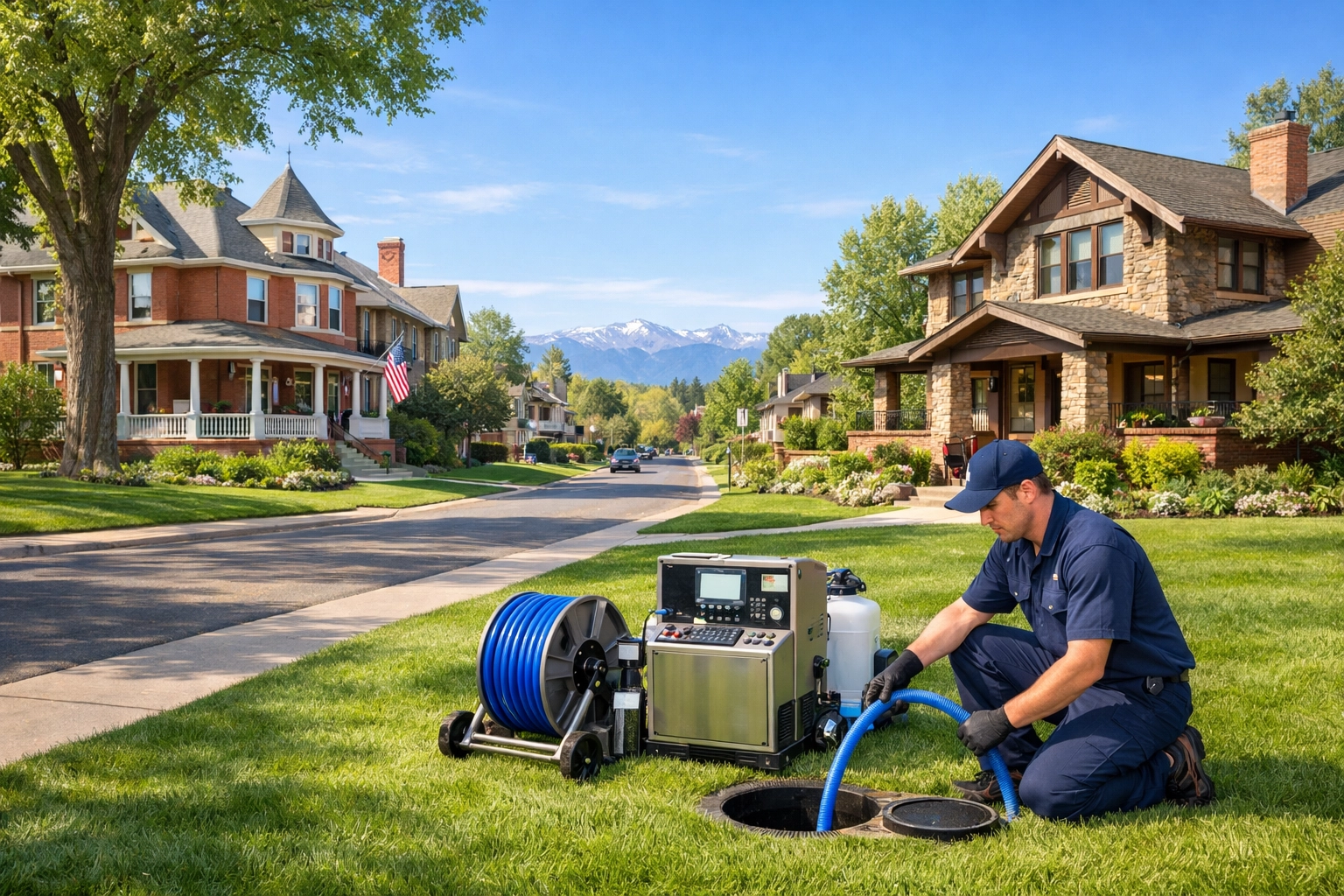
We aren't just guys with a camera. We are diagnostic specialists who understand the unique geological challenges of Colorado. From the historic neighborhoods of Wheat Ridge to the newer developments in Aurora, we provide the clarity you need to make informed decisions about your home.
Case Study Highlight: The Arvada Rescue
- The Issue: A homeowner in Arvada had three "budget" inspections over two years, all claiming the line was "clear" despite recurring slow drains.
- Our Discovery: Using our HD camera, we identified a "hidden" offset at 62 feet that was obscured by standing water in previous low-res scopes.
- The Result: We performed a precision trenchless repair, saving the homeowner from a full driveway excavation and providing a 50-year solution.
Frequently Asked Questions (FAQ)
Q: How much does a professional sewer inspection cost in Denver? A: Prices vary depending on access and location, but a standard residential HD scope typically ranges from $150 to $300. This is a fraction of the cost of a $10,000+ sewer line replacement.
Q: Can I do a sewer inspection myself with a rented camera? A: While you can rent equipment, interpreting the footage is the difficult part. Professional technicians are trained to spot "channel rot" in cast iron and "delamination" in Orangeburg pipe: things an untrained eye will likely miss.
Q: Does homeowner's insurance cover sewer line repairs? A: Usually, standard policies do not cover the line itself unless you have a specific "service line endorsement." An inspection report is often required to add this coverage to your policy.
Q: What is the most common sewer pipe material in Denver? A: In older Denver neighborhoods, you will primarily find vitrified clay tile. In homes built between the 50s and 70s, cast iron or Orangeburg is common. Modern homes typically use PVC (plastic).
Gain Peace of Mind with an Expert Evaluation
Don't let a hidden sewer issue turn into a backyard excavation project. Whether you’re dealing with a slow drain or you just want the security of knowing your home’s infrastructure is sound, Denver Sewer Pros is here to help. Our HD video diagnostics provide the "truth" about your pipes, backed by the expertise of Denver’s leading sewer specialists.
Ready for a clear view of your sewer health? Contact Denver Sewer Pros today to schedule your high-definition inspection and protect your home’s value.
Nathan Fairchild
CEO, Denver Sewer Experts
Website:
denversewerpros.com
Email: admin@denversewerpros.com
Phone: (720) 364-4891