

Book a Service Today
Looking For Septic Installation in Jefferson County? 5 Things You Must Know About Costs in 2026
![[HERO] Looking For Septic Installation in Jefferson County? 5 Things You Must Know About Costs in 2026](https://cdn.marblism.com/PSBbvf1kwgn.webp)
If you’re moving out toward the foothills or grabbing a piece of land in the outlying Jefferson County area, you’re likely realizing that the city sewer line doesn’t reach everywhere. In 2026, building a home or upgrading a property means navigating a whole new world of Septic Installation regulations and pricing.
At Denver Sewer Pros, we’ve seen the landscape shift significantly over the last few years. Between updated Colorado environmental standards and the rising costs of specialized labor, getting a septic system in the ground isn't as simple as digging a hole and dropping a tank. It’s an engineered process that requires precision, especially with our unique Front Range soil.
Here is everything you need to know about the costs, the rules, and the realities of septic installation in Jefferson County this year.
1. The "Two-Bedroom Minimum" Rule Change
As of 2026, Colorado’s regulatory landscape for On-site Wastewater Treatment Systems (OWTS) has undergone a major shift. One of the biggest impacts on your wallet is the elimination of the 1-bedroom septic design.
Even if you are building a tiny home or a small guest cottage with a single bedroom, the state now requires a minimum 2-bedroom build for any new septic system. This means your baseline tank size and the square footage of your leach field (soil treatment area) have an automatic floor.
- Cost Impact: You can expect to spend more on materials and excavation than you might have in years past for smaller dwellings.
- The Goal: This regulation is designed to protect Colorado’s groundwater by ensuring systems aren’t undersized if a "bonus room" eventually becomes a bedroom.
If you are planning a project in Arvada or Golden, you need to account for this larger footprint right from the start of your site planning.
2. Soil Conditions: The Jefferson County "Tax"
In the Jefferson County area, we aren't exactly blessed with "perfect" soil. We deal with heavy clay, bentonite, and, as you get closer to the mountains, solid rock. This variability is the single biggest driver of Septic Installation costs beyond the equipment itself.
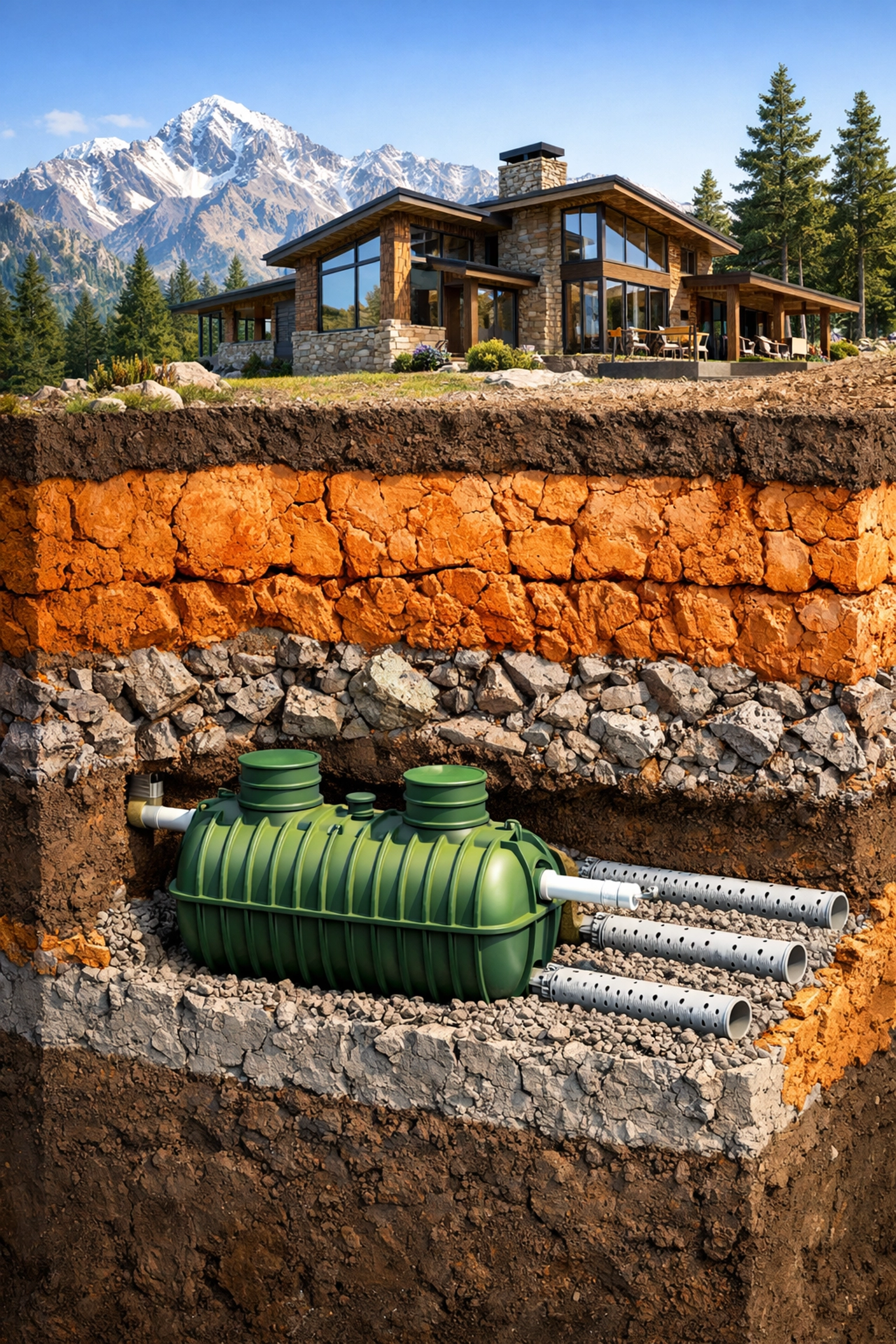
Why Soil Matters for Cost:
- Percolation (Perc) Tests: Before a shovel hits the dirt, an engineer must test how fast water moves through your soil. If you have "tight" clay, the water won't drain, meaning a standard gravity-fed system won't work.
- Engineered Designs: Because of our soil types, most new installations in 2026 require an engineered design. This adds $2,500 to $5,000 to your upfront costs before installation even begins.
- Rock Excavation: If your property in Lakewood or the foothills hits a shelf of granite, your excavation costs can double overnight.
In ideal soil, a conventional system might sit in the $10,000–$15,000 range. However, once you factor in the "Jefferson County Soil Tax" (clay/rock), most homeowners should realistically budget closer to $20,000 to $25,000 for a full 3-bedroom installation.
3. Breaking Down the System Types and 2026 Pricing
Not all septic systems are created equal. The type of system you choose (or that your soil mandates) will dictate your final invoice.
| System Type | Estimated Cost (2026) | Best For... |
|---|---|---|
| Conventional (Gravity) | $10,000 - $18,000 | Deep, sandy, or well-draining soil. |
| Chamber Systems | $12,000 - $20,000 | Properties with limited space for a leach field. |
| Aerobic Treatment Units | $15,000 - $25,000 | Small lots or areas near sensitive water sources. |
| Mound Systems | $18,000 - $35,000 | Very high water tables or shallow bedrock. |
| Drip Irrigation Septic | $25,000 - $40,000+ | Extreme slope or highly restrictive soil conditions. |
While a conventional system is the cheapest, it's becoming rarer in the Front Range due to stricter environmental codes. Many homeowners are now opting for residential sewer installation techniques that involve advanced treatment to maximize the lifespan of the leach field.
4. Don’t Forget the "Invisible" Costs
When people ask about Septic Installation costs, they often just think about the tank and the pipes. But in 2026, the "soft costs" and prep work make up a huge chunk of the total.
- Permits ($450 – $2,300): Depending on your specific county (Jefferson, Adams, Arapahoe, etc.), permit fees fluctuate.
- Labor (50% - 70% of total): Installing a septic system is labor-intensive. It requires heavy machinery, licensed operators, and certified installers who understand local codes.
- Landscaping Restoration: A septic install turns your yard into a construction zone. Budgeting an extra $2,000–$5,000 for regrading and reseeding is a smart move.
- Electrical Work: If you’re installing a pump-based or aerobic system, you’ll need an electrician to run power to the tank for alarms and pumps.
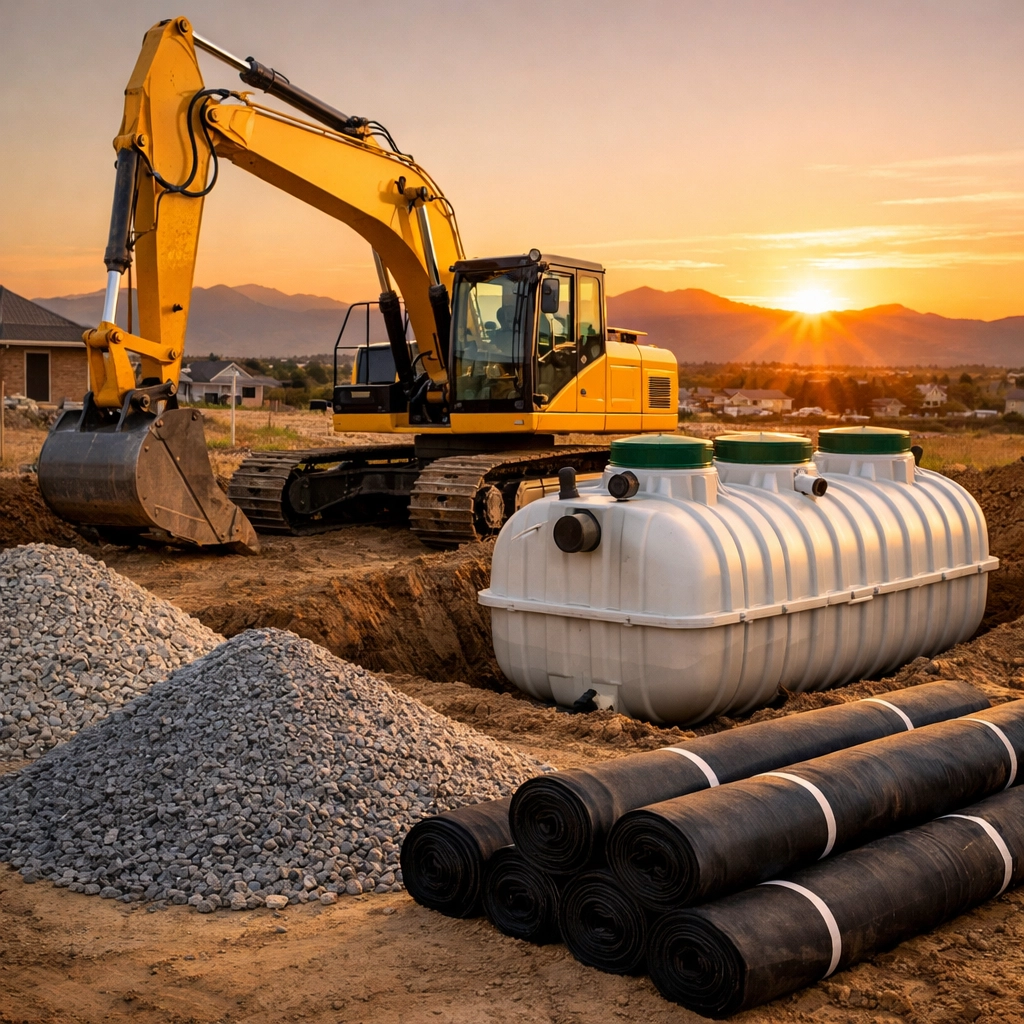
5. Maintenance vs. Initial Investment
At Denver Sewer Pros, we always tell our clients: The cheapest septic system is the one you only have to install once.
Skimping on the initial installation, such as using a smaller tank than recommended or trying to bypass an engineered design, usually leads to a total system failure within 5 to 7 years. In the Jefferson County climate, with our freeze-thaw cycles, a poorly installed system can heave or crack, leading to a much more expensive sewer repair situation later.
Highlights of a Quality Install:
- Result: A 20- to 30-year lifespan for the leach field.
- Highlight: Proper tank venting to prevent "sewer gas" odors.
- Result: Compliance with all 2026 Colorado health department standards, which protects your property value during a future sale.
Frequently Asked Questions (FAQ)
How long does a septic installation take in Jefferson County?
Once the permits are approved, the actual digging and installation usually take 3 to 5 days. However, the permitting and engineering phase can take 4 to 8 weeks depending on the county's backlog.
Can I install my own septic system to save money?
In almost all Denver-area counties, septic systems must be installed by a licensed OWTS contractor. Even if you own the equipment, the health department requires a certified professional to sign off on the installation for it to be legal.
Is trenchless technology used in septic systems?
While trenchless pipe bursting is great for main sewer lines, septic systems usually require open excavation for the tank and leach field. However, we sometimes use trenchless methods to connect the house to the new septic tank to save your driveway or landscaping.
Do I need a grease trap if I’m on a septic system?
For residential homes, usually no. But if you are running a home business like a small catering company or commercial kitchen, you will definitely need a grease trap installation to prevent fats from clogging your leach field.
Work With Denver’s Septic and Sewer Experts
Navigating Septic Installation in 2026 doesn't have to be a nightmare. Whether you are in Aurora, Westminster, or Wheat Ridge, understanding the local costs and regulations is the first step toward a successful build.
At Denver Sewer Pros, we pride ourselves on transparency, professional engineering, and long-lasting solutions. Don't let a "budget" install turn into a $30,000 headache down the road.
Ready for an expert evaluation of your property? Give us a call or check out our full list of service areas to see how we can help you get your project off the ground. Get the peace of mind that comes with a system built to last.
Nathan Fairchild
CEO, Denver Sewer Experts
Website:
denversewerpros.com
Email: admin@denversewerpros.com
Phone: (720) 364-4891