

Book a Service Today
7 Signs Your Douglas County Septic System is Failing
![[HERO] 7 Signs Your Douglas County Septic System is Failing](https://cdn.marblism.com/Wy2-TPGipUG.webp)
For many homeowners in Douglas County, the septic system is an "out of sight, out of mind" utility. Unlike city sewer lines, a septic system is a self-contained wastewater treatment plant located right on your property. However, when that system begins to struggle, the consequences are anything but invisible.
Ignoring the early warning signs of a failing septic system can lead to property damage, environmental contamination, and a massive financial headache. In many cases, catching these issues early allows for repairs that extend the life of your system. But if the damage is too far gone, a professional Septic Installation may be the only way to restore safety and functionality to your home.
At Denver Sewer Pros, we’ve seen how Douglas County’s unique soil conditions: often rich in clay: can impact drainage. If you notice any of the following seven signs, it is time to act immediately.
1. Sluggish Drains Throughout the Entire Home
It is common for a single sink or shower to drain slowly due to a local hair clog. However, when multiple drains across your home begin to slow down simultaneously, you are likely looking at a systemic issue.
When your septic tank is near capacity or the drain field is no longer accepting liquid, wastewater has nowhere to go. This creates a "bottleneck" effect throughout your plumbing. If you find yourself reaching for a plunger in the bathroom while the kitchen sink is also backing up, your septic system is sending you a clear distress signal.
2. Foul Sewage Odors (Inside or Outside)
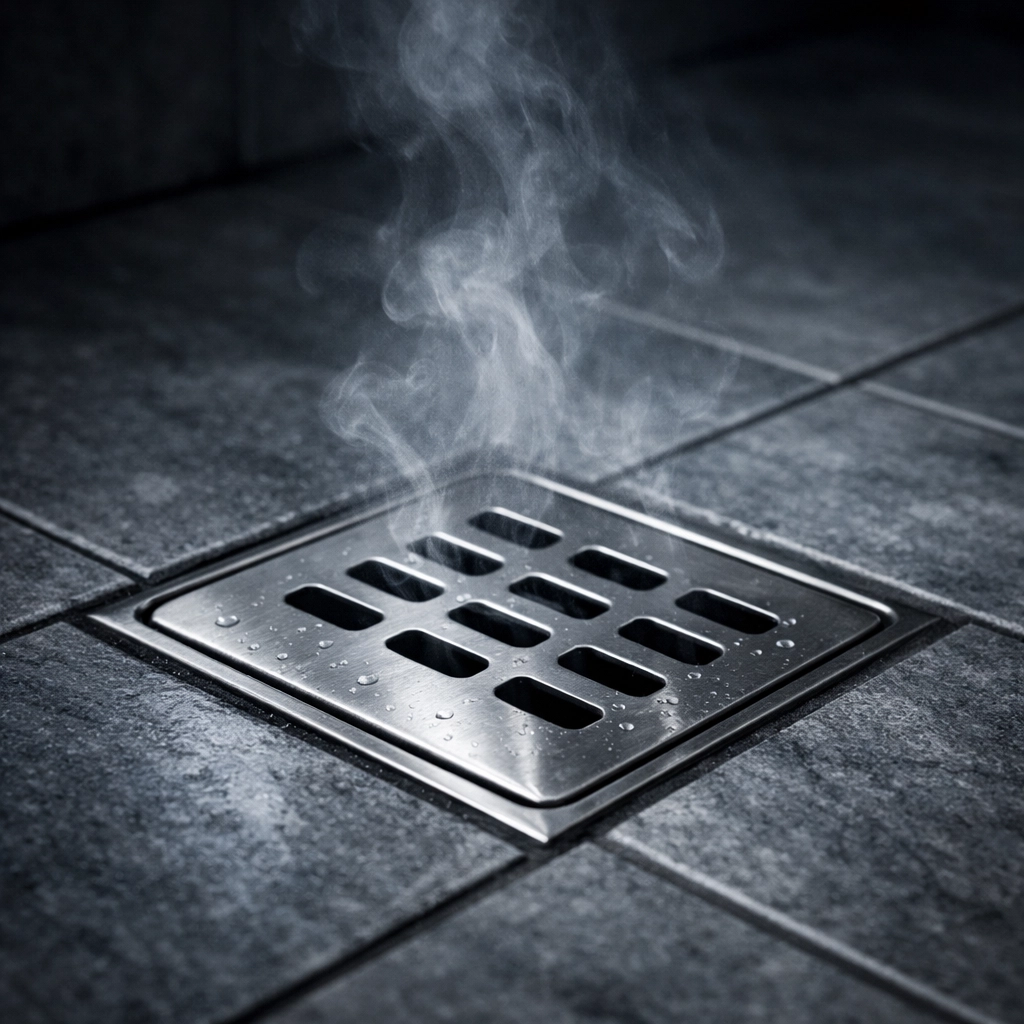
Your septic system is designed to trap and neutralize gases. If you begin to smell ammonia, sulfur, or the classic "rotten egg" scent of sewer gas, the system’s integrity has been compromised.
- Indoors: Odors inside often mean the tank is backed up, causing gases to push through your P-traps.
- Outdoors: Odors near the tank or the drain field usually indicate a leak or a failing leach field where effluent is not being properly filtered by the soil.
In the dry Douglas County air, these smells can travel quickly. Don't ignore them; they are a sign that toxic gases: and potentially raw sewage: are not where they belong.
3. Strange Gurgling and Bubbling Sounds
Have you ever heard your toilet "gurgle" after you've finished a shower? Or perhaps your kitchen sink "talks back" to you when the dishwasher is running? These gurgling sounds are caused by trapped air bubbles in the plumbing.
As the septic tank fills beyond its functional limit, air is forced back up the pipes. This is often an early-stage warning sign. While it might seem like a minor annoyance, it frequently precedes a total system backup.
4. Abnormally Green, Lush Patches of Grass
We all want a green lawn, especially during a hot Colorado summer. However, if one specific area of your yard: specifically over the tank or the drain field: is significantly greener and faster-growing than the rest of your lawn, you have a problem.
Wastewater acts as a potent fertilizer. If your drain field is failing, nutrient-rich effluent (liquid waste) rises toward the surface, feeding the grass above it. While it looks healthy on the surface, it indicates that the soil is saturated and is no longer treating the waste correctly. This is often a precursor to a full Septic Installation requirement.
5. Pooling Water and Soggy Ground
Even without a recent rainstorm or snowmelt, you might notice standing water or "spongy" soil in your yard. This typically occurs directly over the septic tank or in the leach field area.
When the drain field can no longer absorb the liquid waste produced by your household, that liquid forces its way to the surface. This creates a significant health hazard for pets and children and can lead to structural issues if the water pools near your foundation. If you see standing water, stop using high-volume appliances like the washing machine immediately and call for an inspection.

6. Sewage Backups: The Critical Emergency
This is the sign no homeowner wants to see. When raw sewage backs up into your lowest drains (usually a basement shower or floor drain), the system has reached total failure.
A backup isn't just a mess; it's a biohazard. It means the septic tank is completely full or the exit pipe to the drain field is entirely blocked. If this occurs, you should contact Denver Sewer Pros for an emergency evaluation. At this stage, professional intervention is the only way to prevent further damage to your home’s interior.
7. Gray or Black Water on the Surface
While pooling water is bad, seeing discolored gray or black water is worse. This discolored liquid is untreated effluent. It indicates that the biological processes within your septic tank have failed or that the tank itself has a structural breach. This water is high in bacteria and pathogens and requires professional remediation to ensure your property remains safe and compliant with local Douglas County health regulations.
Why Septic Systems Fail in Douglas County
Understanding the "why" can help you prevent future issues. Douglas County’s environment poses specific challenges for septic owners:
- Soil Composition: Many areas in Douglas County have high clay content, which doesn't drain as well as sandy soil.
- System Age: Many septic systems in older Douglas County neighborhoods are reaching the end of their 25–30 year lifespan.
- Maintenance Neglect: Many homeowners wait too long between pumpings. We recommend a professional inspection every 1–3 years and pumping every 3–5 years depending on household size.
Repair vs. New Septic Installation
When a system fails, the first question is always: Can we fix it, or do we need to replace it?
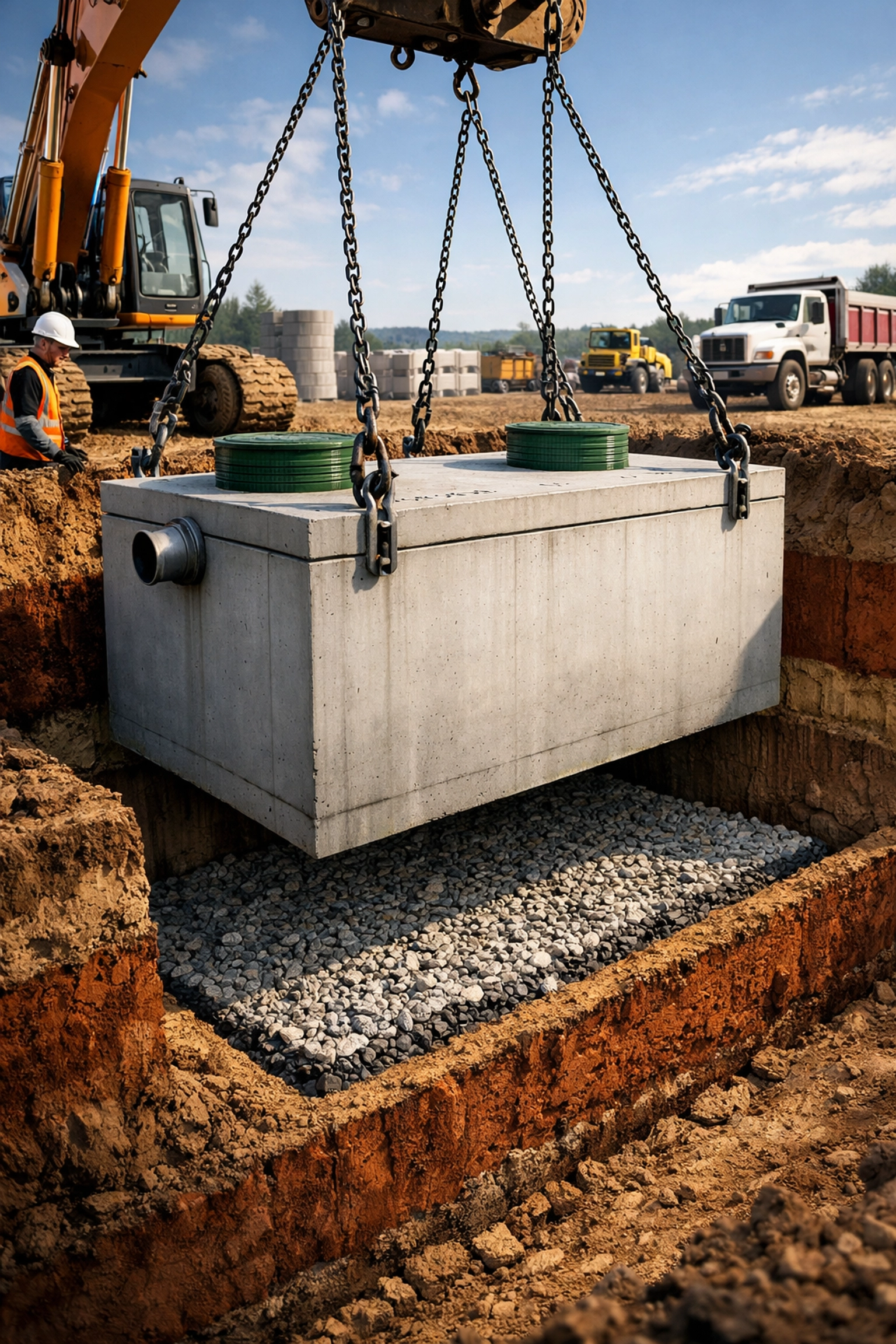
Small issues, like a broken baffle or a clogged line between the house and the tank, can often be solved with high-pressure hydro-jet cleaning. However, if the drain field is "biomat" clogged: meaning it can no longer filter liquid: a new Septic Installation is often the most cost-effective long-term solution.
Patching a terminally failed system is often a waste of money. A new installation ensures your home meets current environmental codes and increases your property value, which is crucial in the competitive Douglas County real estate market.
Frequently Asked Questions (FAQ)
Q: How much does a new Septic Installation cost in Douglas County? A: Costs vary based on soil type and system size, but typically range from $15,000 to $30,000 for a full system replacement. Getting a professional site evaluation is the only way to get an accurate quote.
Q: Can I use additives to "fix" a failing drain field? A: Most "miracle" additives are ineffective. While some bacteria boosters can help a healthy tank, they cannot undo the physical clogging of a saturated drain field.
Q: How do I know where my septic tank is located? A: If you don't have a map of your property, look for "risers" (plastic or concrete lids) in the yard. If those aren't visible, a professional can use electronic locating equipment to find the tank without digging up your whole yard.
Q: Is a gurgling toilet always a septic issue? A: Not always. It could be a simple vent pipe clog on your roof. However, if it’s accompanied by any of the other signs mentioned above, it is almost certainly a septic problem.
Secure Your Peace of Mind Today
A failing septic system is a race against time. The longer you wait, the higher the risk of expensive property damage and health hazards. If you have noticed slow drains, foul smells, or soggy patches in your yard, don't wait for a total backup.
At Denver Sewer Pros, we specialize in residential sewer repair and installation throughout Douglas County. From Castle Rock to Parker, we provide expert evaluations to determine if you need a simple cleaning or a full Septic Installation.
Contact Denver Sewer Pros today for a professional inspection and get the long-lasting solutions your home deserves.
Nathan Fairchild
CEO, Denver Sewer Experts
Website:
denversewerpros.com
Email: admin@denversewerpros.com
Phone: (720) 364-4891