Book a Service Today
Digging is So 1990: 3 Myths About UV Liners That Denver Homeowners Still Believe
![[HERO] Digging is So 1990: 3 Myths About UV Liners That Denver Homeowners Still Believe](https://cdn.marblism.com/wsUolKGnliA.webp)
For decades, the standard response to a failing sewer line was simple but destructive: bring in the heavy machinery, tear up the lawn, and spend days excavating. This "traditional" method turned front yards into construction zones and driveways into rubble. In 2026, however, the technology used by Denver Sewer Pros has rendered the "big dig" largely obsolete.
Despite the advancements in trenchless pipe repair, many homeowners in the Denver metro area, from Arvada to Aurora, still cling to outdated beliefs. These myths often lead to unnecessary property damage and inflated repair costs. The most significant leap in this field is the move from standard epoxy liners to high-tech UV liners.
At Denver Sewer Pros, we utilize the LightRay liner installation system, a cutting-edge UV-curing process that has completely changed the landscape of sewer maintenance. It is time to clear the air and debunk the three biggest myths surrounding UV trenchless technology.
Myth 1: UV Liners Are Just a "Temporary Fix"
One of the most common misconceptions we hear at our Denver headquarters is that trenchless liners are essentially a "Band-Aid" for a larger problem. Homeowners often assume that because we aren't replacing the entire physical pipe with a new plastic or cast-iron sleeve, the repair won't last.
The Reality: UV liners are not a temporary patch; they are a structural "pipe within a pipe." When we perform a LightRay liner installation, we are inserting a fiberglass reinforced liner saturated with a specialized UV-sensitive resin. Once the UV light is activated inside the pipe, it triggers a chemical reaction that hardens the resin instantly.
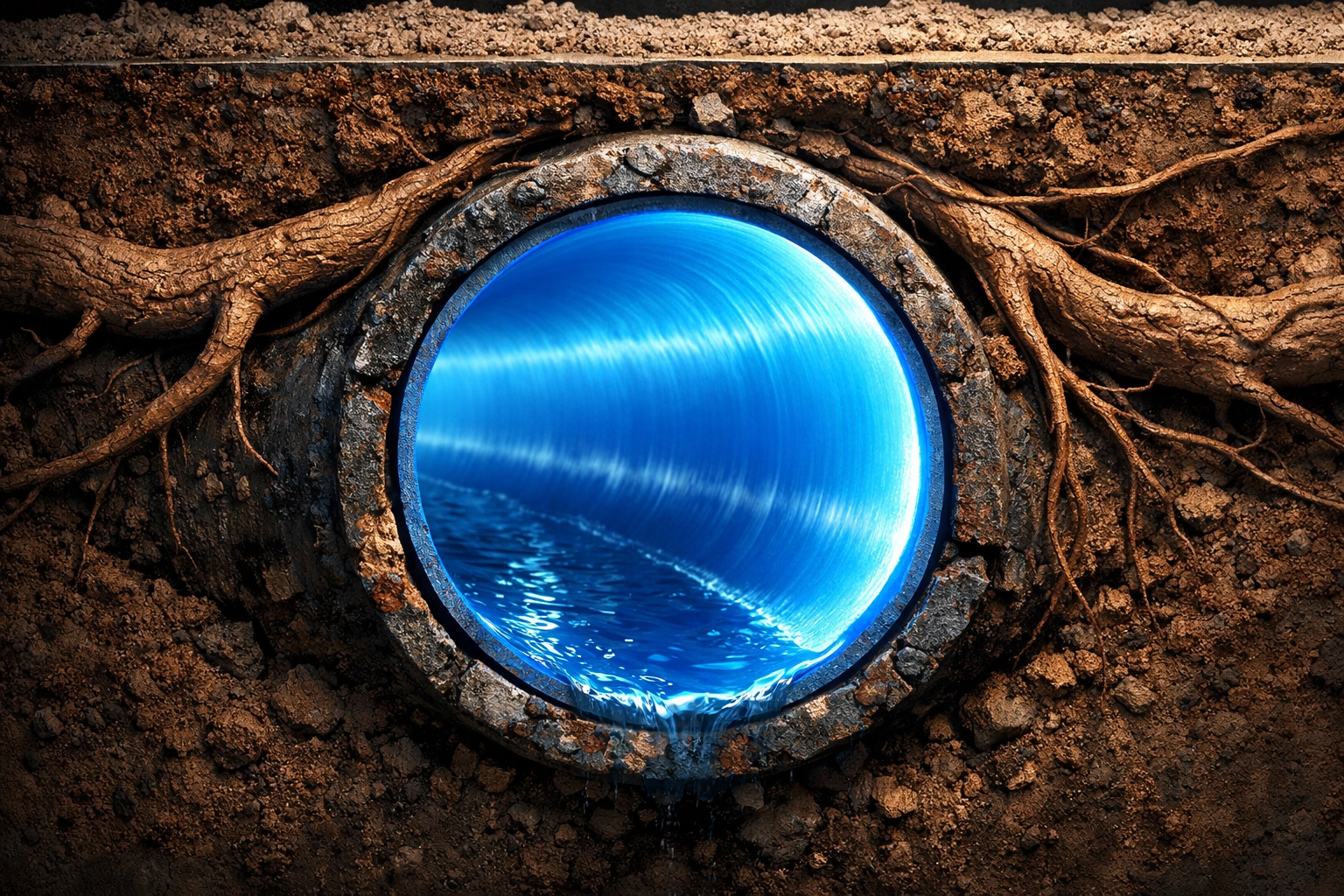
The result is a new, seamless, and incredibly durable pipe that is often stronger than the original host pipe. These liners are designed to last 50 years or more. Unlike traditional PVC or clay, which have joints every few feet that can be infiltrated by tree roots, a UV-cured liner is a single, continuous piece.
Technical Highlights: Durability of UV Liners
- Corrosion Resistance: The resin used in UV liners is impervious to the chemical erosion commonly found in municipal sewer systems.
- Structural Integrity: These liners are rated to handle the same pressure and load-bearing requirements as brand-new SDR-35 piping.
- Root Prevention: Because there are no joints, tree roots, the #1 cause of sewer failure in older neighborhoods like Wheat Ridge and Golden, have no point of entry.
Myth 2: Installation Is a Long, Uncertain Process
Many homeowners associate "sewer repair" with a week-long ordeal involving permits, street closures, and a crew of six people. There is a persistent myth that even "trenchless" methods take days to cure and require the water to be shut off for 24 to 48 hours.
The Reality: With traditional heat-cured or ambient-cured liners (CIPP), the process can indeed take several hours or even a full day just for the resin to harden. If the temperature isn't perfect, the cure might fail.
However, the LightRay liner installation system changes the math entirely. Because the curing process is controlled by UV light rather than heat or time, the "cure" happens at a rate of approximately one foot per minute.
Case Study: Quick Turnaround in Lakewood
- Location: Residential property in Lakewood.
- The Problem: 40-foot sewer lateral failure due to heavy root intrusion and offset joints.
- The Old Way: Estimated 3 days of excavation and $15,000 in landscape restoration.
- The UV Way: Using LightRay UV-C technology, our team completed the entire installation and cure in under three hours.
- Result: The homeowner had their water back on by lunchtime, and their award-winning garden remained untouched.
For property managers handling commercial sewer services, this speed is a game-changer. It minimizes downtime for businesses and prevents the logistical nightmare of extended water shut-offs.
Myth 3: UV Technology is "Too New" to Handle Denver’s Soil
Denver’s "Front Range" soil is notorious among engineers. The high clay content leads to significant soil expansion and contraction, which can snap rigid pipes and cause joints to shift. Some skeptics believe that UV liners are too brittle or unproven to handle these specific geographical challenges.
The Reality: While the technology feels futuristic, UV curing has been used in industrial applications for years. The UV liners used today are specifically engineered to be flexible enough to navigate bends (up to 90 degrees) while remaining rigid enough to withstand the "heaving" of Colorado’s clay soil.
In fact, trenchless technology is often better suited for Denver’s soil. Because the liner is seamless, it "floats" within the host pipe, allowing for a degree of flexibility that rigid, jointed pipes lack. Whether you are in Arvada or Aurora, the structural reinforcement provided by a UV-cured fiberglass liner is the gold standard for long-term stability.
The LightRay Advantage: Why UV-C Curing is Superior
When comparing traditional trenchless methods to UV liners, the differences are stark. Standard Cured-In-Place Pipe (CIPP) often uses steam or hot water to cure the resin. This carries risks:
- Shrinkage: Heat-cured resins can shrink as they cool, creating gaps between the liner and the host pipe.
- Environmental Concerns: Steam curing can release odors and chemicals into the air and soil.
- Inconsistency: Cold spots in the soil can prevent a heat-cured liner from hardening properly.
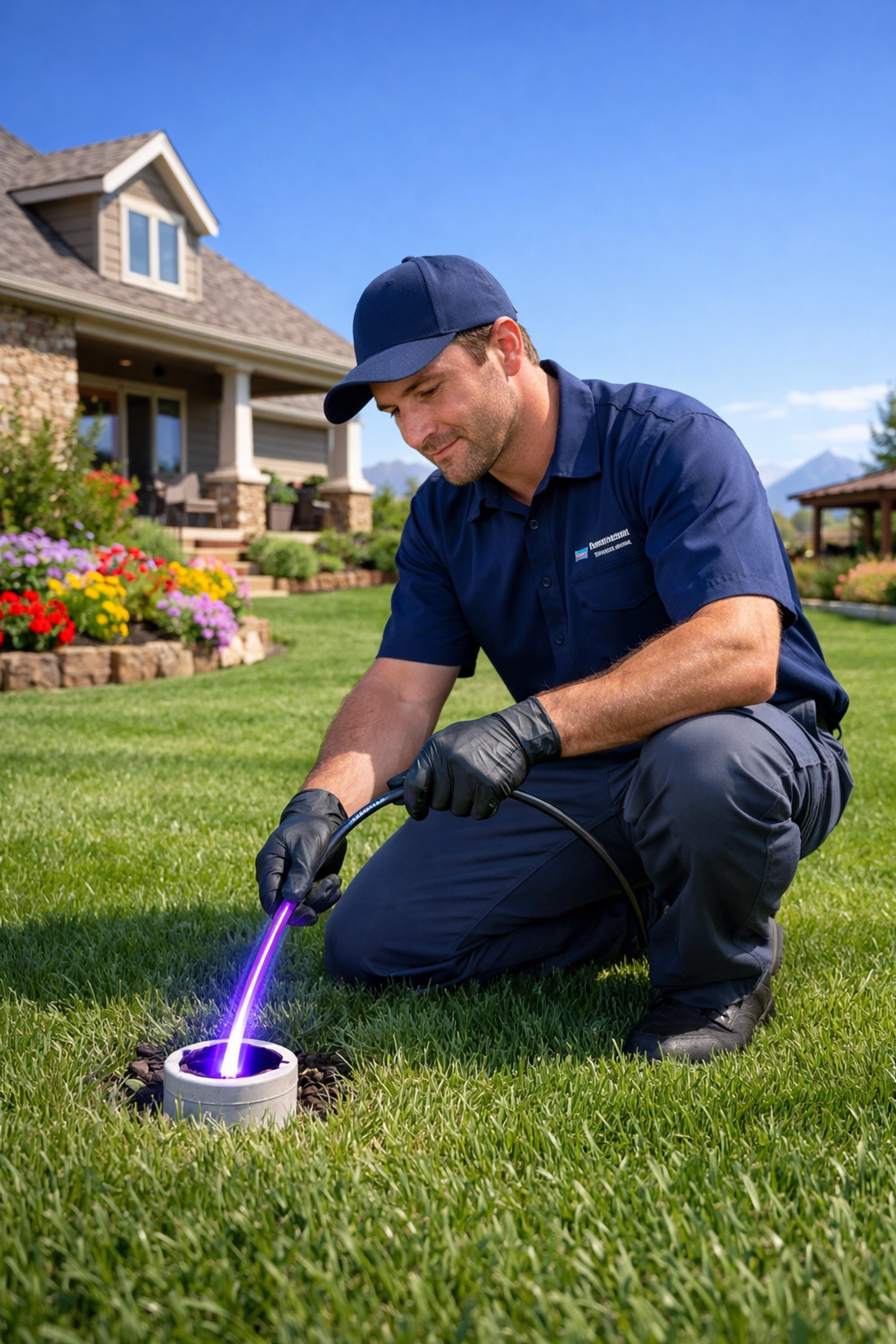
LightRay liner installation bypasses all these issues. The UV-C light source is pulled through the pipe, ensuring an even, consistent cure from start to finish. There is no guesswork. We know exactly when the pipe is cured because the sensors on the LightRay unit provide real-time data to our technicians.
Why Clean Pipes Matter Before Lining
Before any liner can be installed, the host pipe must be pristine. We utilize high-pressure hydro-jet cleaning to blast away decades of scale, grease, and root growth. This ensures the UV liner bonds perfectly to the inner walls of the existing pipe.
Knowing the Signs: Does Your Denver Home Need a Liner?
You don't have to wait for a total sewer backup to consider a residential sewer repair. In fact, proactive lining is significantly cheaper than emergency replacement. Watch for these warning signs:
- Slow Drains: Multiple fixtures in the house draining slowly despite plunging.
- Sewer Gas Odors: The smell of "rotten eggs" in your yard or basement.
- Lush Green Patches: A specific area of your lawn that is greener than the rest (often indicating a leak acting as fertilizer).
- Gurgling Noises: Hearing "bubbling" sounds from your toilet when the shower is running.
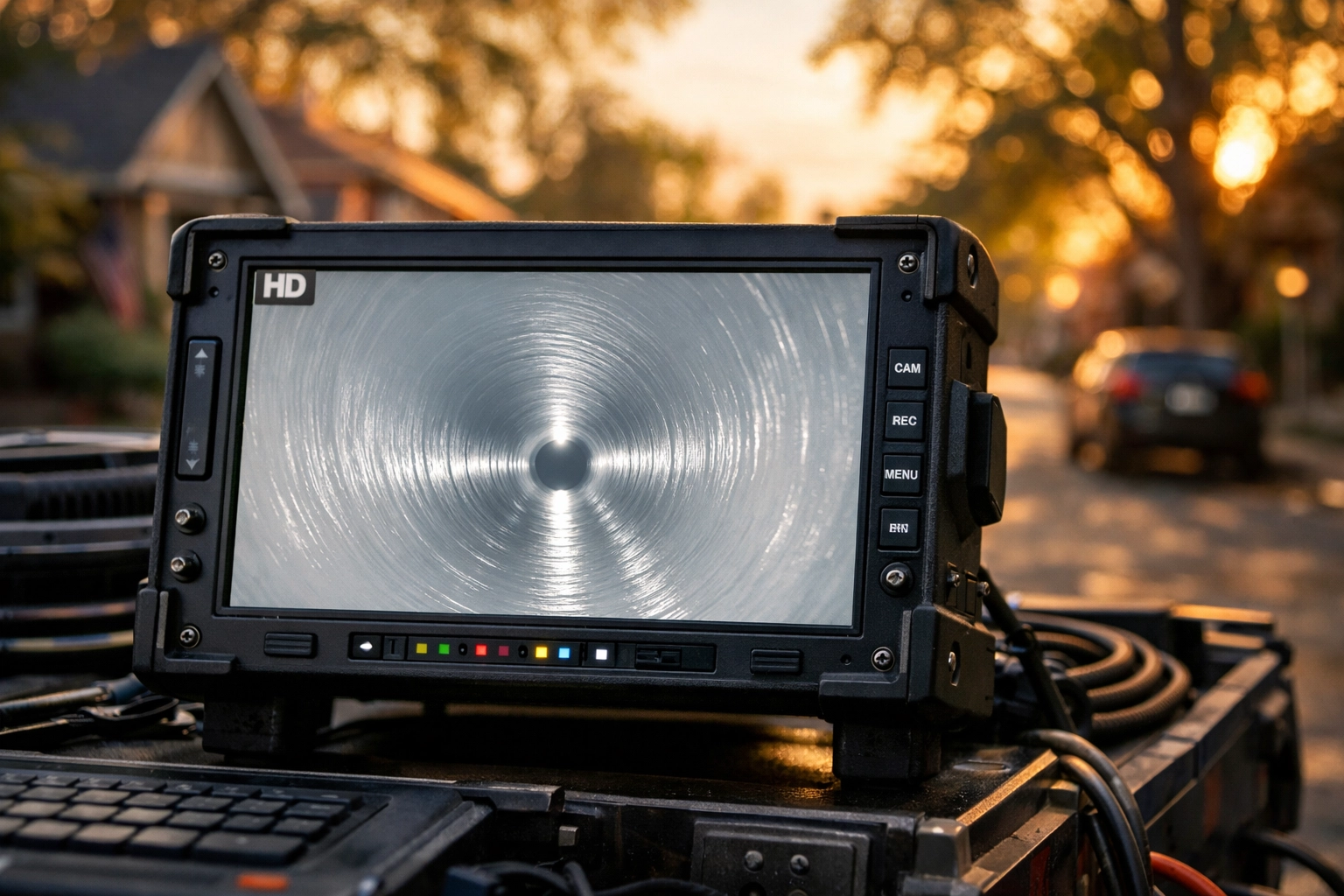
If you notice these issues, our team can perform an HD video inspection to see if your pipes are candidates for a trenchless pipe burst or liner.
Frequently Asked Questions About UV Liners
Q: Is UV lining more expensive than traditional digging? A: While the material cost for UV liners is higher, the "total project cost" is almost always lower. When you factor in the cost of replacing your driveway, sidewalk, sod, and landscaping, trenchless saves you thousands of dollars.
Q: How long does the process take? A: Most residential LightRay liner installations in the Denver area are completed in a single day. The actual "curing" of the pipe usually takes less than an hour.
Q: Can you line a pipe that has already collapsed? A: No. A pipe must have its structural shape intact for a liner to work. This is why we recommend an inspection at the first sign of trouble. If a pipe is fully collapsed, we may need to use "pipe bursting" or traditional excavation.
Q: Does it work on all pipe materials? A: Yes. We can install UV liners inside clay, cast iron, PVC, and Orangeburg pipes.
Expert Evaluation for Peace of Mind
The days of dreading a sewer repair are over. You don't have to sacrifice your landscaping or your sanity to have a reliable sewer system. By debunking these myths, we hope homeowners see that UV liners are the most efficient, durable, and environmentally friendly option available today.
Whether you are in Westminster, Longmont, or Greenwood Village, Denver Sewer Pros is ready to provide a modern solution to an age-old problem.
Ready to protect your property with the latest in trenchless technology? Contact Denver Sewer Pros today for an expert evaluation and the peace of mind that comes with a 50-year solution.
Nathan Fairchild
CEO, Denver Sewer Experts
Website:
denversewerpros.com
Email: admin@denversewerpros.com
Phone: (720) 364-4891